
2 min readBy Artcolor
12 V, 24 V or 48 V? Choosing the right LED strip voltage
Voltage decides how long and how even your lines of light can be. Here is how to choose between 12 V, 24 V and 48 V strips.
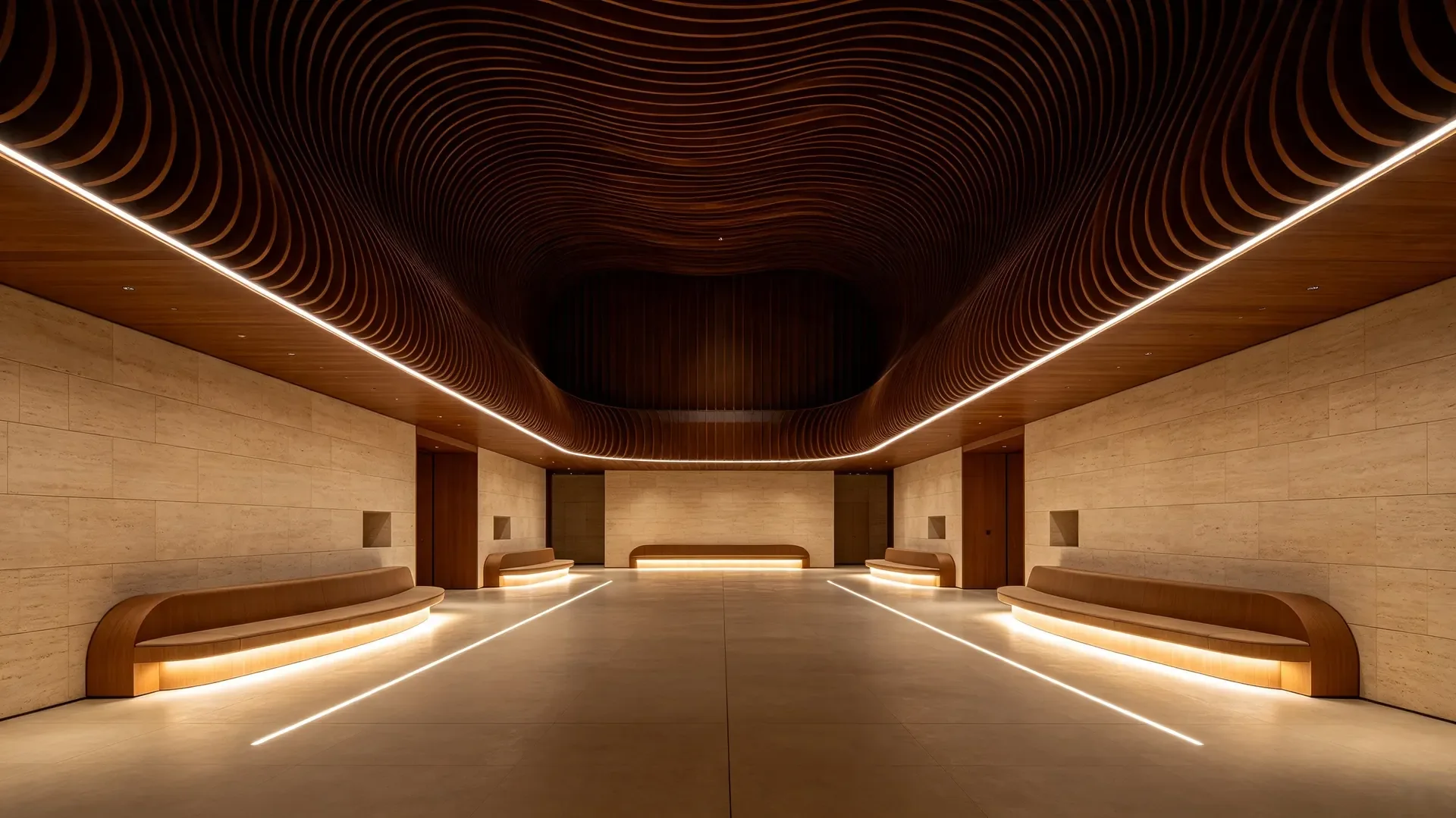
Every Artcolor flexible strip comes in a fixed input voltage: 12 V, 24 V or 48 V DC. Voltage is not about brightness. Together with the strip's power, it sets the current the strip draws, and the current sets how evenly light holds up along a run.
Why voltage matters
A strip turns power into light. Current is set by power and voltage together (I = P/V), and voltage drop is current times resistance (ΔV = I × R), where R comes from the copper of the circuit board and the cable. So for the same power, a higher voltage means a lower current and less voltage drop. Less drop keeps the far end of a run as bright and as white as the start; with a planned feed layout, we can keep the drop at the far end within 5%.
Which voltage suits which job
| Voltage | Best for |
|---|---|
| 12 V | Short runs, furniture and existing 12 V systems |
| 24 V | Most architectural work: coves, shelving, joinery and retail |
| 48 V | Long, demanding lines in lobbies and corridors |
- 12 V strips suit short runs and projects that already use 12 V drivers.
- 24 V is the standard for architectural lighting, and most of our series are 24 V.
- 48 V: the Ultra strip AH2835-48V-168-10mm is built for long lines where even output matters most.
How long can one run be?
As a guide, a single-end feed covers about 5 m at 12 V, 8–10 m at 24 V and longer at 48 V. Feeding from both ends or from the middle nearly doubles that. The exact length depends on the model's power per metre, so confirm it for the strip you choose. For longer lines, feed power in at several points or run parallel feeds from the driver. Don't chain reels end to end.
Still unsure?
Tell us about your space and our team will recommend a strip and a feed layout. Contact sales, or read more in the LED strip FAQ.
- Guides
- LED strip
- Voltage